
A comic book grade gives collectors a consistent way to describe condition, ranging from severely damaged copies at 0.5 to nearly flawless examples at 10.0. The Comic Book Grading Scale considers the cover, spine, corners, staples, interior pages, surface wear, structural problems, and missing material rather than judging a book from its front cover alone. Understanding those numbers helps collectors compare copies, evaluate raw books, and recognize why two examples of the same issue can have very different market prices. Each grade range also allows different levels of wear, so learning which defects matter can make buying and selling comic books much easier.
- The standard grading range runs from 0.5 to 10.0.
- Higher numbers indicate stronger condition.
- Interior defects matter as much as cover appearance.
- Grade and market value measure different things.
Comic Book Grading Basics
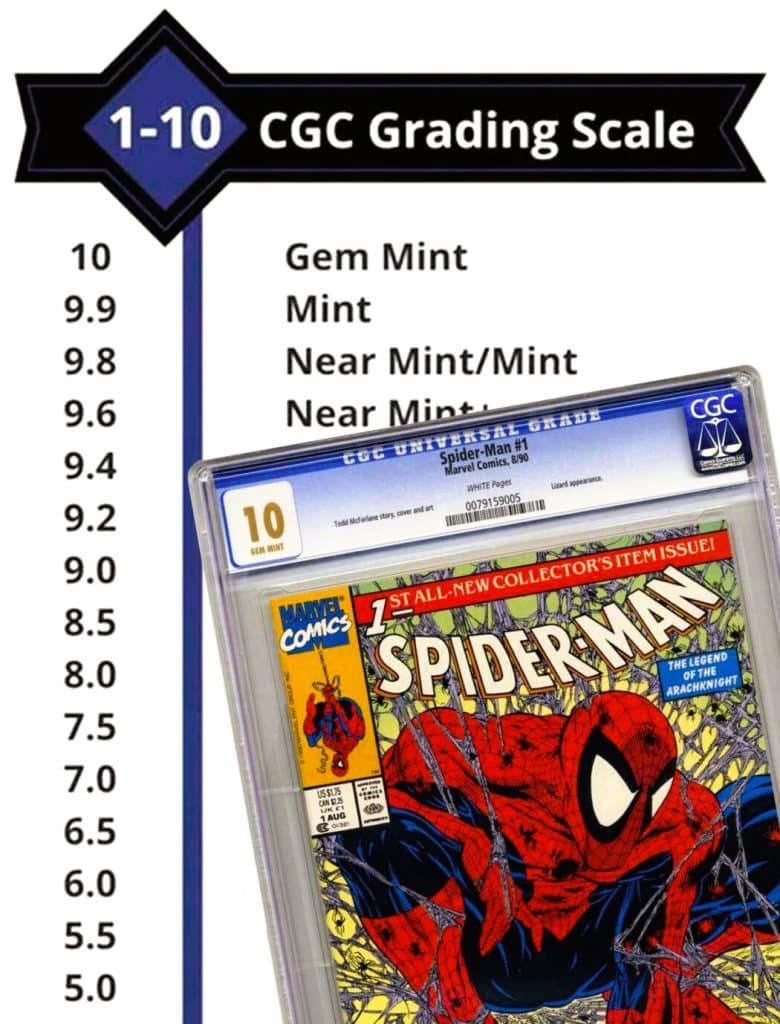
Collectors often improve their grading skills by comparing several copies side by side, studying spine ticks, corners, gloss, creases, staples, and page condition under good lighting. A comic book may look impressive inside a bag yet reveal color-breaking stress lines, tiny tears, fingerprints, or back-cover wear once removed for inspection. CGC uses a 10-point grading scale based on established hobby standards and explains that professional grading still involves judgment rather than a purely mechanical measurement. That means two knowledgeable graders may occasionally differ slightly when evaluating the same borderline book.
- Inspect both covers under direct room lighting.
- Look closely along the entire spine.
- Check centerfold and staple attachment.
- Examine pages for tears, stains, writing, or missing pieces.
- Consider the comic as a complete object.
10.0 To 9.8
A 10.0 Gem Mint comic book occupies the highest point on the Comic Book Grading Scale and should show no evidence of manufacturing or handling defects. A 9.9 Mint copy may contain a minute production flaw but should not display handling wear, while a 9.8 Near Mint/Mint book can have negligible manufacturing or handling imperfections. Fresh copies pulled directly from shipping cases do not automatically earn 9.8, 9.9, or 10.0 because printing, cutting, packing, and transportation can create defects before a collector ever touches them. A tiny corner issue or color-breaking spine mark can make the difference.
- 10.0 represents Gem Mint.
- 9.9 represents Mint.
- 9.8 represents Near Mint/Mint.
- Production flaws can affect top grades.
9.6 To 9.0
The upper portion of the Comic Book Grading Scale includes 9.6 Near Mint+, 9.4 Near Mint, 9.2 Near Mint-, and 9.0 Very Fine/Near Mint. Books in this range can remain visually impressive while showing progressively more evidence of manufacturing or handling as the number declines. A 9.4 copy might have a few small spine stresses or minor corner wear, while a 9.0 can tolerate defects that become easier to spot during a close inspection. Modern key issues can show sizable price differences between these grades, making accurate condition assessment useful before buying an expensive copy.
- 9.6 is Near Mint+.
- 9.4 is Near Mint.
- 9.2 is Near Mint-.
- 9.0 is Very Fine/Near Mint.
- Small defects become increasingly visible through this range.
8.5 To 7.0
A comic book graded 8.5 Very Fine+ or 8.0 Very Fine can have moderate wear while retaining strong presentation. The range continues through 7.5 Very Fine- and 7.0 Fine/Very Fine, where spine stresses, corner wear, rubbing, shallow creases, or edge defects may become more apparent. Older comic books in this range can still display attractive colors and solid structure even though careful examination reveals years of handling. Collectors seeking Silver Age or Bronze Age keys often find these grades offer a balance between appearance and cost.
- 8.5 is Very Fine+.
- 8.0 is Very Fine.
- 7.5 is Very Fine-.
- 7.0 is Fine/Very Fine.
6.5 To 5.0
The middle portion of the Comic Book Grading Scale includes 6.5 Fine+, 6.0 Fine, 5.5 Fine-, and 5.0 Very Good/Fine. Wear becomes easier to recognize here, and collectors may see longer spine stresses, rounded corners, surface rubbing, small tears, light staining, or broader creases. The book should still retain enough structural integrity and visual appeal to be handled and displayed without appearing heavily damaged. Scarce Golden Age and Silver Age comic books can command significant collector interest even in these middle grades because availability often matters as much as condition.
- 6.5 represents Fine+.
- 6.0 represents Fine.
- 5.5 represents Fine-.
- 5.0 represents Very Good/Fine.
- Wear is obvious but the book can remain appealing.
4.5 To 3.0
A 4.5 Very Good+ comic book may contain several moderate defects, while a 4.0 Very Good example can show broader evidence of repeated reading, storage, and handling. The Comic Book Grading Scale continues through 3.5 Very Good- and 3.0 Good/Very Good, where longer creases, staining, spine splitting, color loss, edge damage, and small missing pieces can appear. Structural condition becomes increasingly significant because a complete cover, attached centerfold, and intact pages may separate one grade from another. Early superhero appearances can remain valuable in these ranges when higher-grade copies are scarce.
- 4.5 is Very Good+.
- 4.0 is Very Good.
- 3.5 is Very Good-.
- 3.0 is Good/Very Good.
- Completeness matters more as condition declines.
2.5 To 1.5
The lower section of the Comic Book Grading Scale includes 2.5 Good+, 2.0 Good, 1.8 Good-, and 1.5 Fair/Good. The term Good can confuse new collectors because books in this range may have substantial creasing, tears, stains, writing, staple problems, cover damage, or missing material. A complete copy of an important first appearance can still attract buyers despite heavy wear because collectors may value ownership of the issue more than cosmetic condition. Careful inspection should focus on missing pages, detached pieces, coupon cuts, centerfold attachment, and other defects that photographs may hide.
- 2.5 represents Good+.
- 2.0 represents Good.
- 1.8 represents Good-.
- 1.5 represents Fair/Good.
1.0 And 0.5
A 1.0 Fair comic book sits near the bottom of the grading range and can show extensive damage accumulated through decades of use or poor storage. CGC assigns 0.5 Poor to severely damaged collectibles that may have major tears, missing sections, detached covers, staining, structural failure, or absent material. Historically significant comic books can still command substantial prices at these grades when few affordable copies exist. An incomplete Golden Age key, for example, may remain desirable because a complete higher-grade example can cost many times more.
- 1.0 represents Fair condition.
- 0.5 represents Poor condition.
- Major structural damage is expected.
- Scarcity can preserve demand for low-grade copies.
Comic Grading Defects
Graders examine much more than the number of defects on a comic book because size, location, severity, and structural impact can change how each flaw affects the final grade. CGC grader notes can identify fingerprints, water damage, erasure marks, spine stress lines, rust, tanning, creases, color touch, tear seals, and other condition issues. One deep color-breaking crease across the front cover may have a larger grading impact than several tiny non-color-breaking marks in less noticeable areas. Collectors evaluating raw books should inspect the back cover and interior because sellers’ photographs often emphasize only the front.
- Check spine ticks for broken color.
- Look for water stains and waviness.
- Inspect staples for rust or movement.
- Examine interior pages for hidden tears.
- Compare defect severity rather than simply counting flaws.
Page Quality Grades
Page quality appears separately from the numerical comic book grade and gives collectors information about paper aging inside the issue. CGC classifications include White, Off-White to White, Off-White, Cream to Off-White, and darker page designations, along with descriptions for brittle paper. CGC states that a 10.0 requires White pages, while books at the top of the scale must meet minimum page-quality standards. Two copies with identical numerical grades can therefore appeal differently to buyers when one has brighter pages.
- White represents the highest page designation.
- Off-White reflects some paper aging.
- Cream tones indicate further discoloration.
- Brittleness can signal weakened paper structure.
Manufacturing Comic Defects
Some flaws originate during printing and binding rather than after the comic book reaches a reader. Miswraps, printing marks, cutting errors, staple placement, bindery tears, and production creases can appear on untouched copies straight from distribution. CGC’s grading descriptions recognize manufacturing defects even within high-grade ranges, which means a newly purchased comic does not receive special treatment simply because the flaw came from the factory. The severity and visual effect of the production issue still matter.
- Miswraps can originate during printing.
- Staple placement may vary at production.
- Bindery damage can affect condition.
- Factory origin does not make every defect irrelevant.
Restoration Grade Effects
Numerical condition and restoration status describe different aspects of a comic book, so collectors should examine both before comparing copies. CGC describes restoration as treatment that adds non-original material for aesthetic purposes, while conservation focuses on stabilizing a book with archival approaches. Color touch, added pieces, tear seals, and other work can affect label designation even if the comic presents well. CGC does not classify non-additive procedures such as pressing and dry cleaning as restoration, making label details especially useful when assessing a certified book.
- Color touch can indicate restoration.
- Added material can change label status.
- Conservation and restoration are different categories.
- Pressing alone is not classified as restoration by CGC.
Raw Versus Graded
A raw comic book has not been encapsulated with a third-party grade, leaving the buyer or seller to estimate condition. Professional grading can provide a standardized opinion, but CGC explains that grading is not an exact science and that another grading company’s number does not guarantee the same result upon submission. Online photographs can hide interior tears, detached centerfolds, staple damage, tanning, dents, or subtle surface wear. Buyers examining raw comic books should therefore treat seller-assigned grades as estimates and request detailed photographs when the purchase price is substantial.
- Raw grades remain condition estimates.
- Professional opinions can differ slightly.
- Front-cover photos may hide important defects.
- Interior condition can change the final grade.
- Detailed images help when buying remotely.
Comic Book Grade Value
Comic book value does not increase at the same rate every time the grade moves up half a point. Scarcity, character significance, graded population, restoration status, page quality, pedigree, demand, and recent comparable sales can influence how much collectors pay. A modern 9.8 may have thousands of certified copies available, while a 4.0 Golden Age key could represent a scarce opportunity with few examples reaching the market. Collectors researching value should compare completed sales for the same issue, numerical grade, page quality, label type, and restoration status rather than relying on unsold asking prices.
- Grade is one part of comic book value.
- Scarcity can outweigh cosmetic condition.
- Graded population can influence availability.
- Completed sales provide stronger pricing context.
- Label details may affect collector demand.
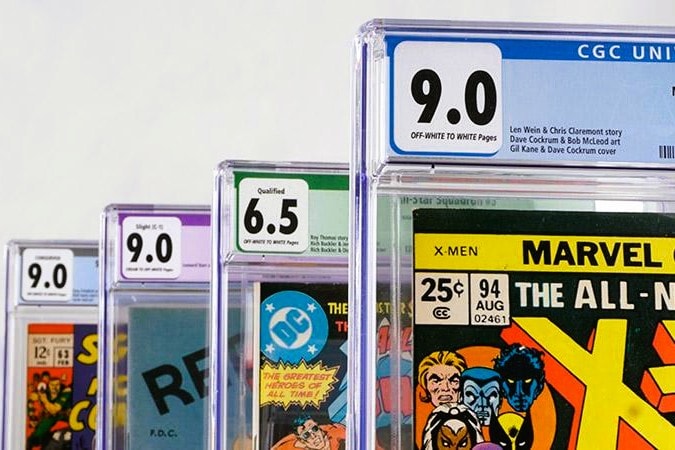
Comic Book Grading Scale Takeaways
The Comic Book Grading Scale gives collectors a shared language for discussing condition, but the number becomes far more useful when the defects behind it are understood. Grades from 10.0 through 9.0 represent highly preserved comic books, middle ranges allow increasingly noticeable wear, and lower grades accommodate extensive damage while still giving historically significant copies a place in the market. Page quality, completeness, restoration status, manufacturing characteristics, and structural integrity add information that a numerical score alone cannot show. Collectors who compare real examples across several grade levels can develop a stronger eye for condition and make more informed buying decisions.
- 10.0 is the highest standard grade.
- 9.8 represents Near Mint/Mint.
- 5.0 represents Very Good/Fine.
- 2.0 represents Good despite extensive wear.
- 0.5 is the lowest numerical grade.
FAQs
What Is 9.8 Grade?
A 9.8 comic book is Near Mint/Mint. It can have negligible manufacturing or handling defects while remaining very close to pristine condition.
Is 9.6 Good?
Yes. A 9.6 Near Mint+ comic book remains in high condition but may contain several minor defects that prevent a 9.8 grade.
What Is 5.0 Grade?
A 5.0 comic book is Very Good/Fine. Visible wear is expected, but the issue can remain complete, structurally sound, and desirable.
Is 2.0 Collectible?
Yes. A 2.0 comic book is classified as Good, and scarce first appearances or key issues can still attract collectors despite substantial wear.
What Is Lowest Grade?
The lowest standard numerical grade is 0.5 Poor. Severe defects or missing material may be present, though rare comic books can still retain significant collector interest.