by Multiverse Comics | Comic Books
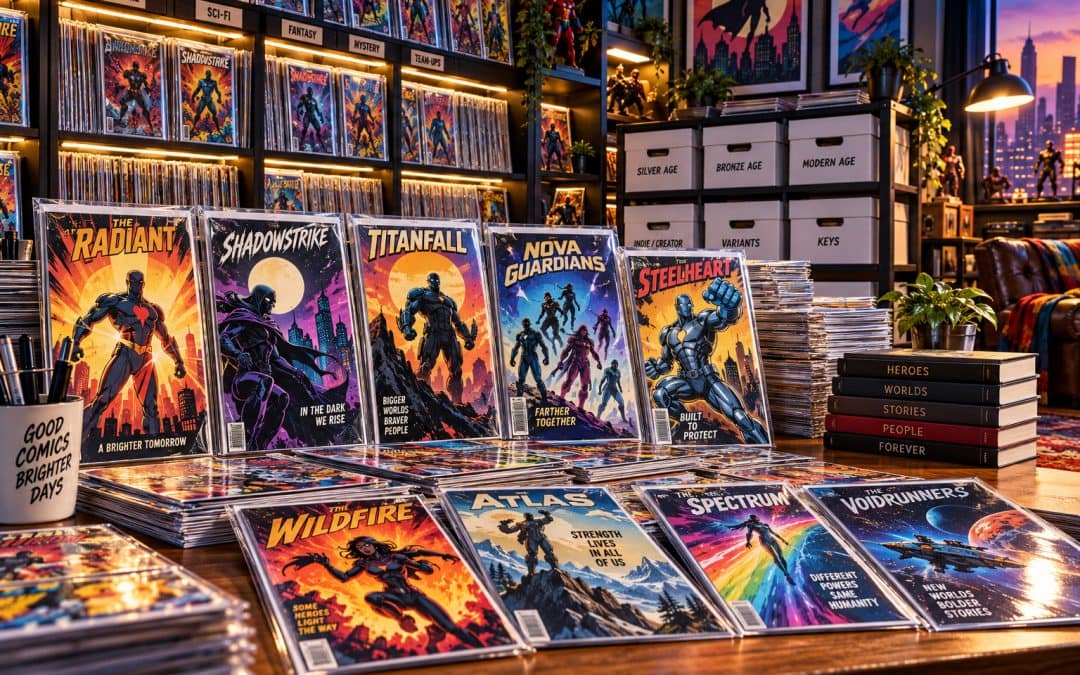
Comic book bags and boards protect collectible issues from fingerprints, surface rubbing, bent corners, dust, and handling wear, but choosing the wrong size can create problems of its own. Comic book bags and boards vary by era, plastic type, board construction,...
by Multiverse Comics | Comic Books
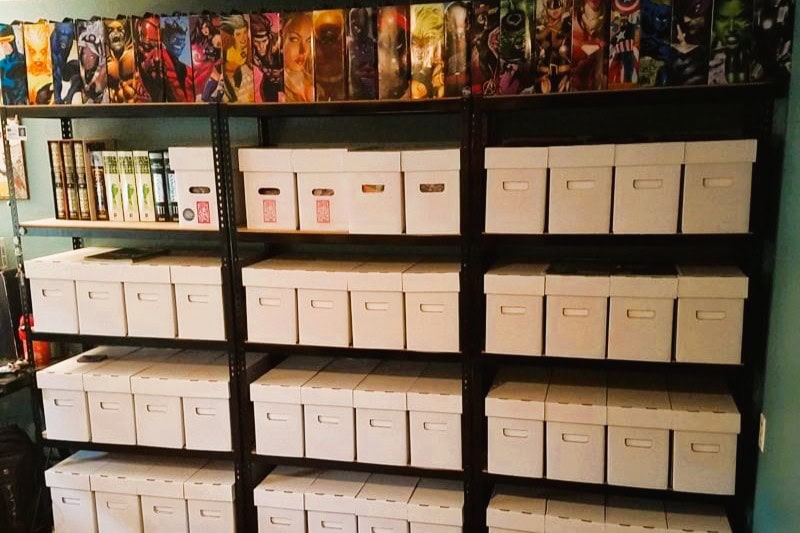
Comic books can develop faded covers, bent corners, brittle pages, rusted staples, and moisture damage when storage conditions work against the paper. Learning how to store comics without damaging a collection gives collectors a practical way to protect reading...
by Multiverse Comics | Comic Books
A key issue comic book contains a character appearance, storyline event, origin, creator milestone, or publishing development that gives the issue added significance among collectors. Some keys become sought after because they introduce heroes or villains, while...

by Multiverse Comics | Comic Books
A comic book grade gives collectors a consistent way to describe condition, ranging from severely damaged copies at 0.5 to nearly flawless examples at 10.0. The Comic Book Grading Scale considers the cover, spine, corners, staples, interior pages, surface wear,...

by Multiverse Comics | Comic Books
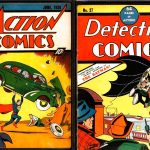
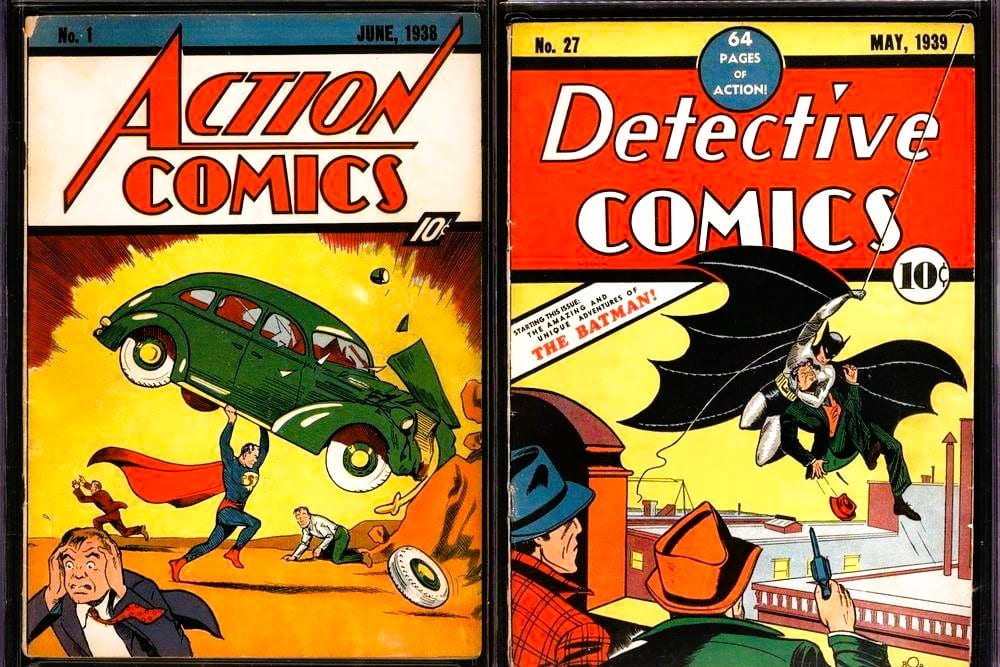
First appearance record setters show how a character’s debut can turn a comic that once cost a few cents into a collectible worth millions of dollars. The Library of Congress says Superman’s 1938 debut in Action Comics #1 helped give birth to the...

by Multiverse Comics | Comic Books
The most expensive Batman comic books can sell for six or seven figures when rarity, condition, character debuts, and ownership history come together. Batman first appeared in Detective Comics #27 in 1939, a fact documented by the Library of Congress, and collectors...