- Understanding the Structure of a Comic Book Script: To begin your journey into comic book scriptwriting, it is crucial to grasp the fundamental structure of a script. Citing renowned comic book writers like Brian Michael Bendis and Scott Snyder, examine the elements of a comic book script, including panel descriptions, dialogue, captions, and sound effects. Highlight the importance of pacing, page layouts, and the interplay between text and artwork to create a cohesive reading experience.
- Developing Engaging Characters: Drawing inspiration from character-driven comics like "Batman" by Frank Miller and "Ms. Marvel" by G. Willow Wilson, emphasize the significance of well-developed and relatable characters. Discuss techniques such as establishing clear goals, motivations, and conflicts, and the importance of character arcs. Showcase the impact of memorable characters in driving readers' emotional investment in the story.
- Crafting Compelling Dialogue: Cite examples from renowned comic book writers such as Neil Gaiman and Kelly Sue DeConnick to illustrate the art of crafting compelling dialogue. Explore the balance between natural-sounding conversation and concise, impactful speech. Discuss the use of subtext, word choice, and pacing to create dynamic exchanges that advance the plot and reveal character depth.
- Mastering Panel Descriptions: Examine the art of writing effective panel descriptions, referencing sources such as "Understanding Comics" by Scott McCloud. Discuss the importance of visual storytelling, framing, and camera angles. Draw insights from acclaimed comic book artists like Jim Lee and Alex Ross to emphasize the symbiotic relationship between the script and artwork, as panel descriptions guide the artist's illustrations.
- Balancing Action and Visual Flow: Explore the works of action-oriented comics like "The Avengers" by Jonathan Hickman and "Wonder Woman" by Greg Rucka to demonstrate how to effectively balance action and visual flow. Discuss the use of dynamic panel layouts, choreographing fight scenes, and conveying movement through artwork and script. Showcase techniques to ensure that action sequences enhance the overall reading experience.
- Integrating Captivating Plot Twists: Referencing renowned comic book series like "Watchmen" by Alan Moore and "Saga" by Brian K. Vaughan, explore the art of integrating captivating plot twists. Discuss the importance of foreshadowing, pacing, and unexpected narrative turns. Emphasize the need for a strong narrative hook that keeps readers engaged and eager to turn the page.
- Collaborating with Artists: Acknowledge the collaborative nature of comic book creation and the crucial relationship between writers and artists. Draw insights from interviews or articles by industry professionals, discussing the importance of communication, trust, and synergy. Highlight how a cohesive partnership between writer and artist enhances the final product and elevates the storytelling.
The Ultimate Guide: How to Write a Comic Book Script That Captivates Readers
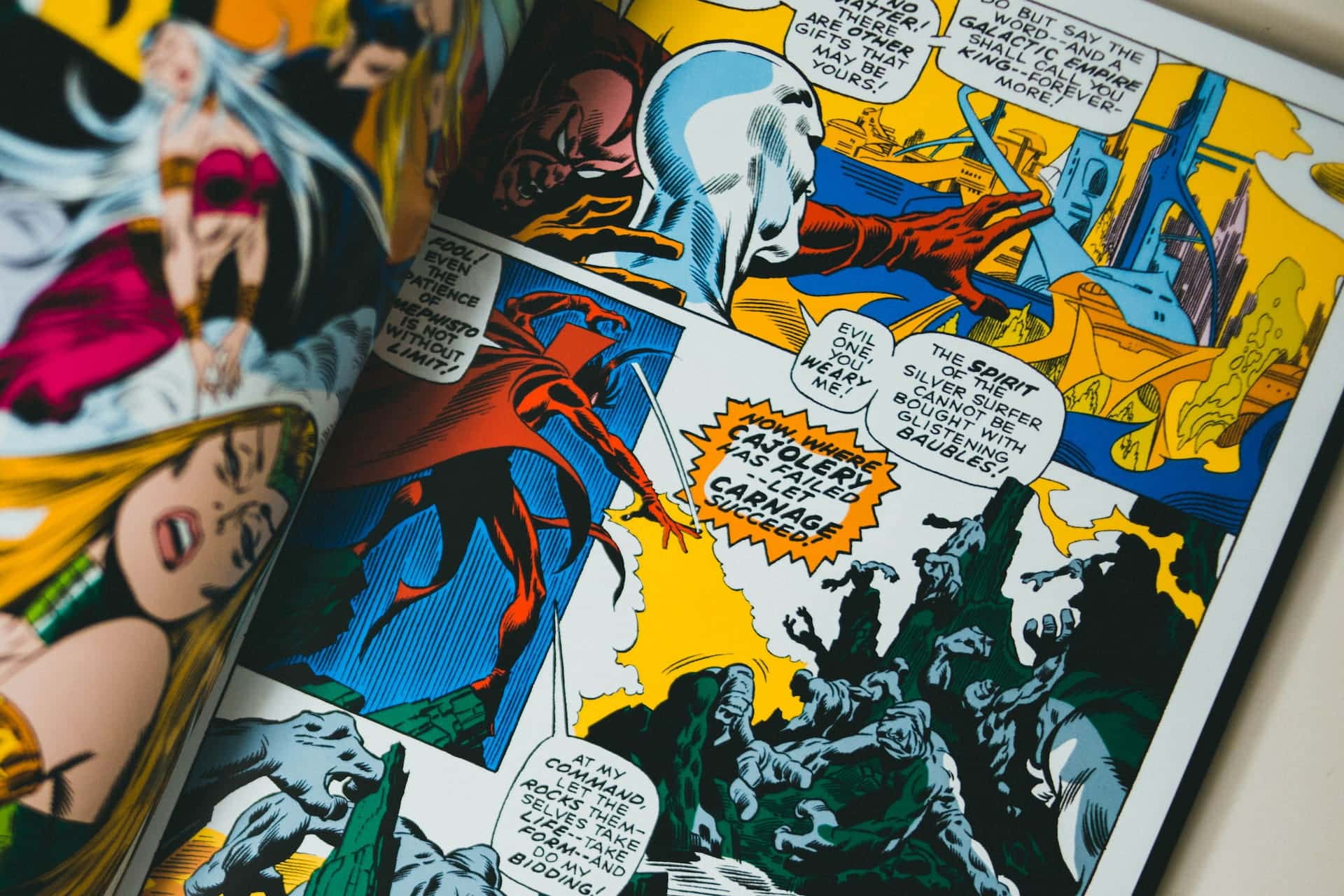
Comic books have captivated readers for decades with their unique blend of storytelling and visual art. Behind every great comic lies a well-crafted script that serves as the foundation for the creative process. In this ultimate guide, we will explore the essential elements and techniques for writing a comic book script that engages readers and leaves a lasting impact. Drawing inspiration from industry experts and notable comic book writers, we'll delve into the intricacies of scriptwriting and offer valuable insights to help you bring your stories to life.